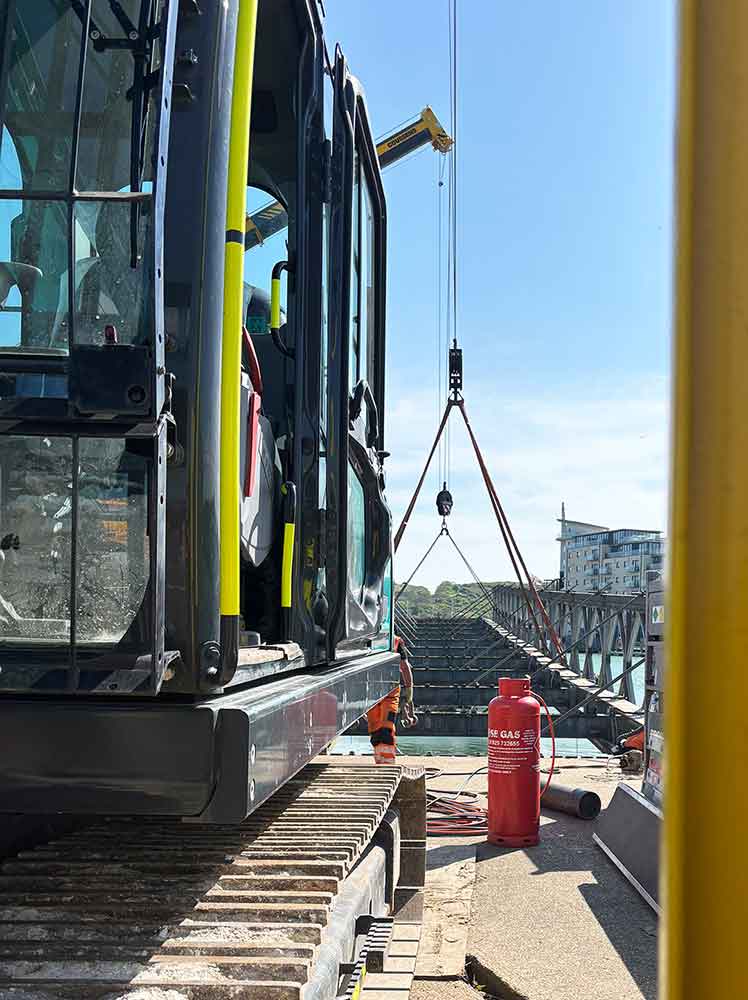
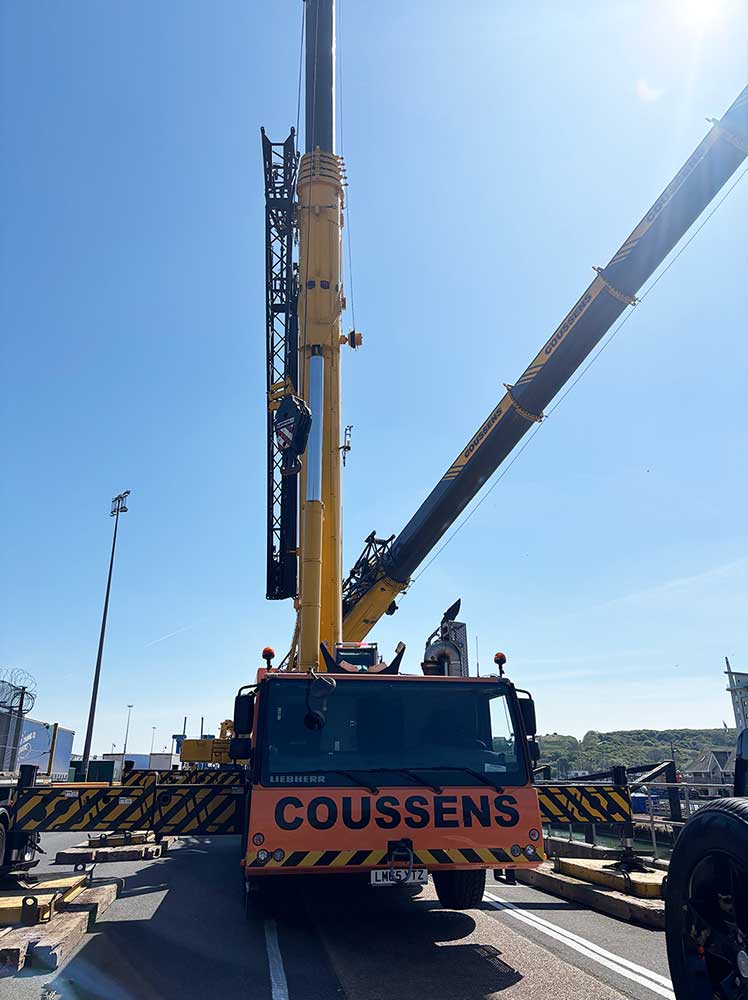
Opening up waterfront space for future marine activity
Date published: June 10, 2026
The removal of the Bailey Bridge and Pontoon
The successful removal of the Bailey Bridge marks another important step in Newhaven Port’s ongoing programme of investment and long-term vision for growth.
The bridge and pontoon have served the port for many years, and their removal will create valuable new waterfront space in a strategically important area of the harbour. This opens up opportunities to enhance marine operations and improve access for a range of vessels and support local boat builders with much needed commercial berths. Potential future use may include additional berthing facilities for leisure craft, workboats and fishing vessels, improved access for the Border Force, and infrastructure that could support cruise operations, including tender services for visiting cruise ships.
As maritime activity continues to evolve, creating flexible and adaptable waterfront space is an important part of ensuring the Port can respond to future opportunities.
A smart approach delivered significant savings
The removal of the Bailey Bridge demonstrated the value of practical thinking and local expertise. Initial proposals had suggested that the removal would require large cranes, barges and specialist vessels, resulting in costs running into seven figures. Instead, the Port team developed a more efficient solution, carefully dismantling the structure into manageable sections that could be safely removed from the quayside.
By challenging assumptions and applying a hands-on engineering approach, the project was completed at a fraction of the originally anticipated cost while achieving the same result.
Respect of the past but supporting a longer-term vision
Although the focus is firmly on the future, the Bailey Bridge occupied a small but memorable place in Newhaven Port’s recent history.
Many residents and port users will remember the structure from its association with ferry operations, including the Seacat service that operated from Newhaven to Dieppe during the late 1990s and early 2000s. For years, it formed part of the working landscape of the harbour. Its removal marks the end of one chapter but starts the next with additional waterfront capacity and improved operational flexibility. The project supports Newhaven Port’s ambition to attract new opportunities and make the best possible use of its unique harbour assets.
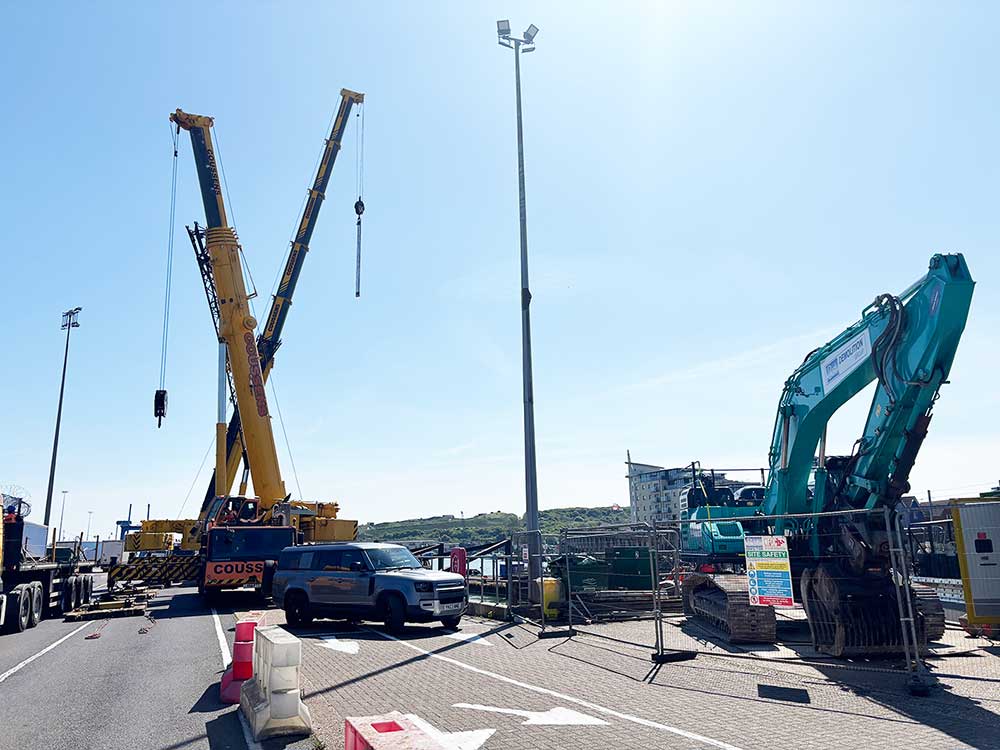
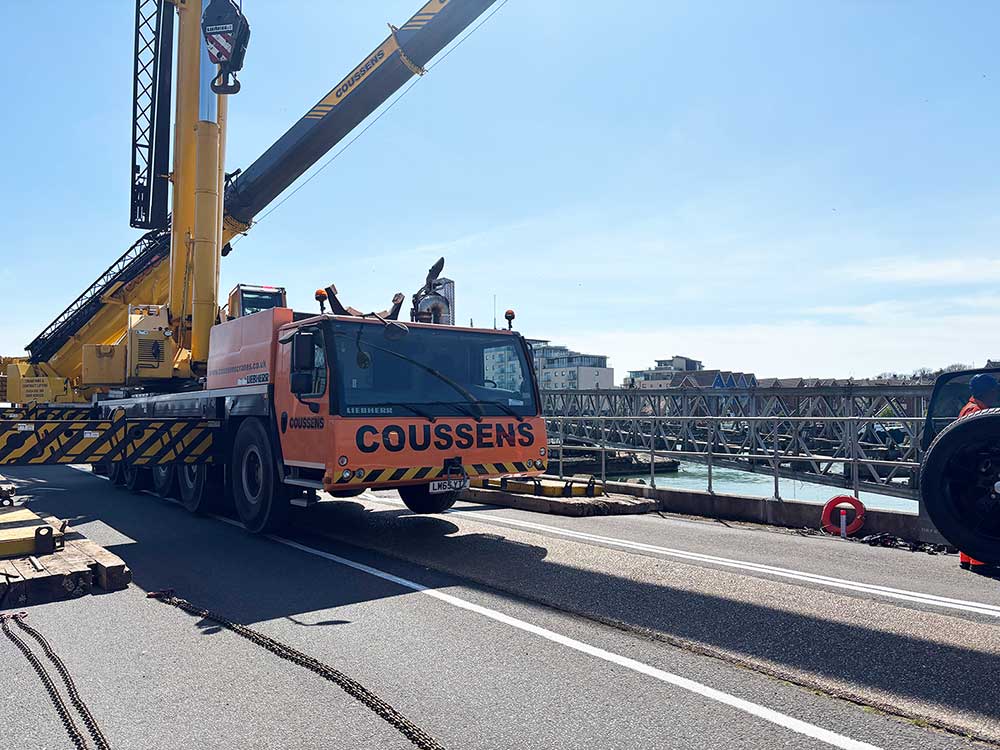
As work continues across the Port, projects like this ensure Newhaven remains ready to support the needs of commercial operators, government agencies, leisure users and future generations of maritime activity.